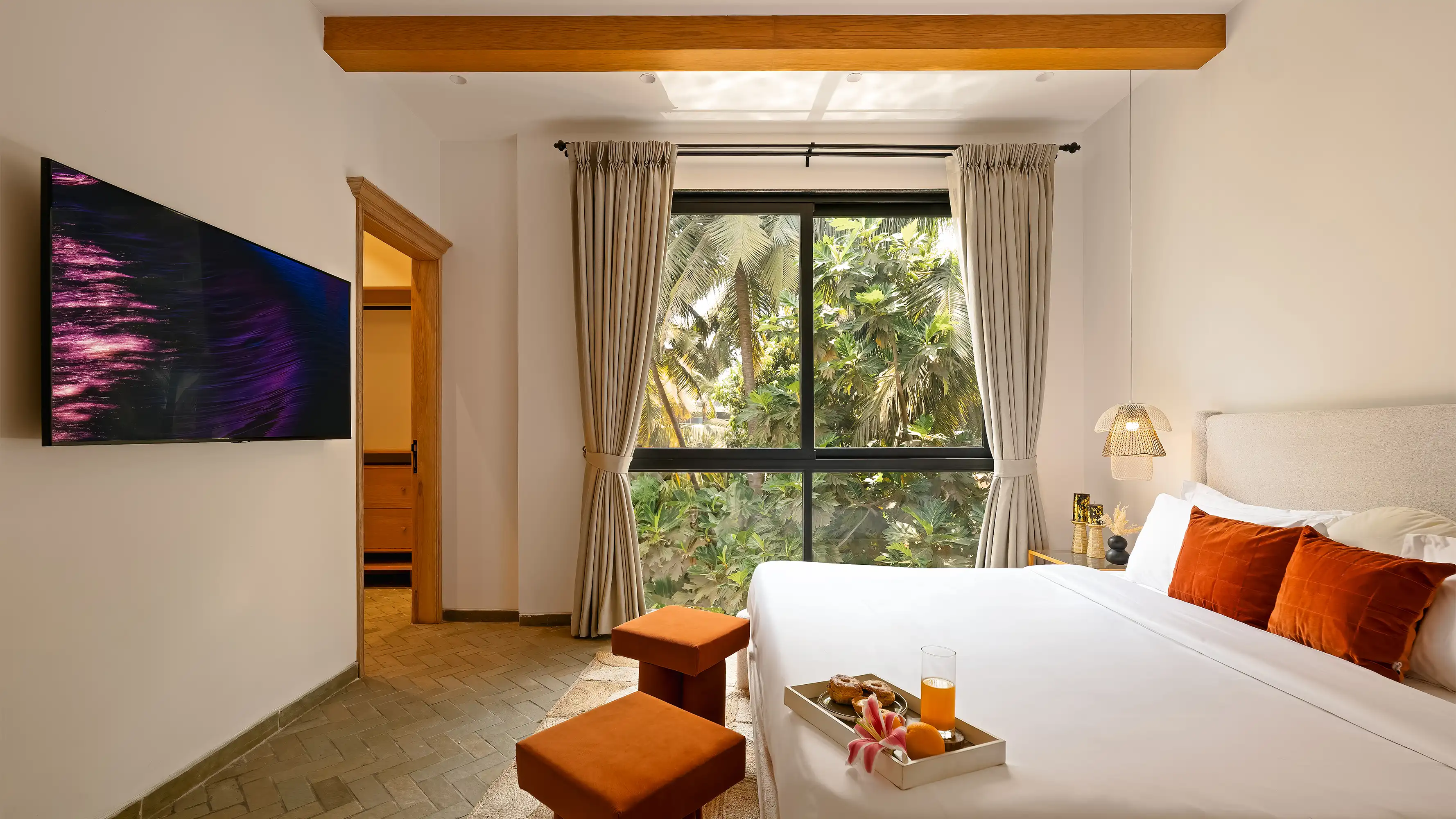
At ALYF, we’ve been observing a subtle change in the choices people are making. It’s not loud, it’s not flashy, but it’s deeply intentional. Travel today no longer feels like an escape from life. Instead, it’s becoming an extension of how people want to live. The rush of moving from one attraction to another is slowly giving way to something more grounded: time that stretches, days that feel lighter, and spaces that allow you to breathe.
This shift is especially visible among urban Indians who have spent years balancing ambition with exhaustion. The idea of a “perfect holiday” is no longer measured by how much you can see in a short span, but by how rested you feel when you return. People are choosing environments that let them wake up without urgency, spend their days outdoors, follow routines that feel natural, and disconnect from constant stimulation. Travel, in that sense, has become less about movement and more about presence.
As these preferences evolve, so do the destinations people gravitate towards. Coastal towns, hill-adjacent landscapes, and quiet pockets close to major cities are drawing attention for reasons beyond scenery. What matters now is how a place supports everyday life, access to good food, reliable infrastructure, a sense of community, and the freedom to slow down without giving up comfort. Destinations like Goa, Alibaug, Lonavala, and Karjat are increasingly seen not as short breaks, but as places where life feels more balanced.
This change in mindset has also transformed how people choose to stay. Traditional accommodation works when travel is temporary. But as stays become longer and more personal, there’s a growing preference for spaces that feel familiar, flexible, and lived-in. A home where you can cook, work, rest, and return to over and over again naturally feels more aligned with this new way of travelling. It’s one of the key reasons holiday homes are no longer viewed as indulgences, but as thoughtful lifestyle decisions.
From an investment perspective, this evolution is significant. When people spend more time in one place, rental demand becomes steadier. When destinations attract long-stay travellers and remote professionals, property usage becomes more consistent. And when homes are designed to support real living rather than short visits, their long-term value strengthens. This is where holiday homes shift from being occasional escapes to dependable assets.
Goa, in particular, reflects this transition beautifully. Beyond its familiar identity, the state has quietly built an ecosystem that supports everyday living, wellness spaces, independent cafés, creative communities, better connectivity, and neighbourhoods that value calm over crowds. This has led to a noticeable rise in people choosing to own homes here, not just for holidays, but for extended stays that fit naturally into their lives.
At ALYF, our approach has always been rooted in this understanding. We don’t look at holiday homes as standalone properties. We see them as spaces that should work effortlessly, whether you’re using them, renting them, or simply knowing they’re taken care of. Our focus is on making ownership simple, maintenance seamless, and experiences meaningful, so that owning a second home feels rewarding rather than demanding.
As travel becomes more intentional and lifestyles more considered, the line between where we live and where we retreat to is blurring. People aren’t looking to escape anymore, they’re looking to live better, even when they step away from the city. And holiday homes, when chosen wisely, are becoming the foundation of that choice.
This isn’t a trend driven by seasons or social media. It’s a reflection of changing priorities. And at ALYF, we believe this way of living, and investing is here to stay.