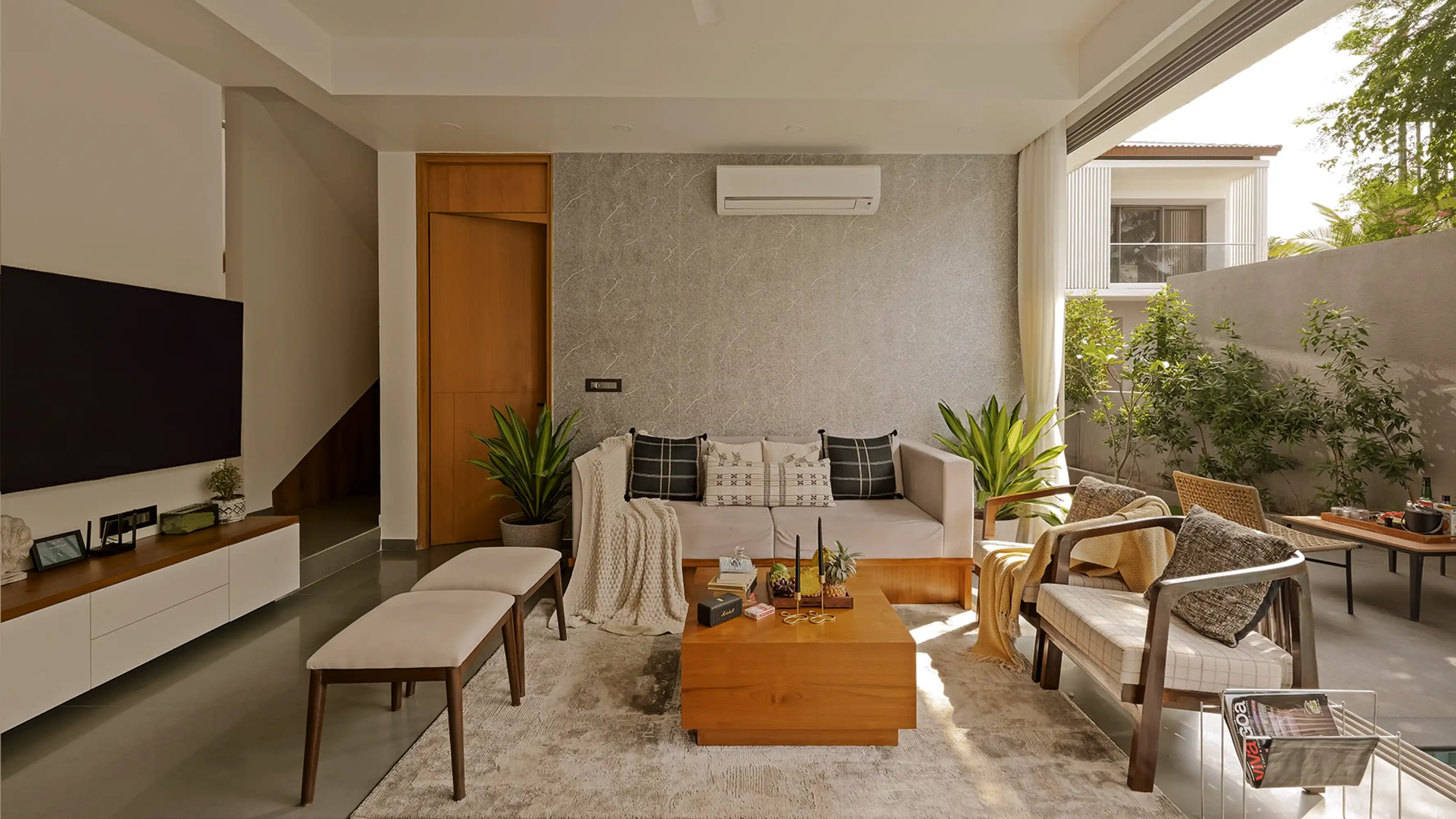
For years, real estate decisions revolved around location, scale, and returns. Bigger spaces, prime pin codes, and visible luxury were often enough to define value. Today, that definition is changing. At ALYF, we are seeing a decisive shift in how people evaluate property investments. The conversation has moved beyond what a home looks like to how it behaves, what it consumes, and how it supports life over time.
Modern buyers are far more aware of the long-term impact their choices create. Energy usage, water efficiency, and environmental responsibility are no longer afterthoughts or optional upgrades. They are becoming core decision drivers. Homes are expected to function intelligently, reduce unnecessary waste, and exist in harmony with their surroundings rather than overpower them.
This change is being driven by a new generation of investors and homeowners who understand that sustainability is not a compromise on comfort but an enhancement of it. Naturally ventilated spaces, smarter lighting systems, efficient water management, and eco-conscious materials often translate into healthier living environments. Over time, they also lower operational costs, making ownership more efficient and predictable.
From an investment standpoint, properties designed with longevity in mind are proving to be more resilient. Homes that adapt well to climate conditions, require fewer resources to maintain, and age gracefully tend to retain relevance far longer than conventional developments. This relevance directly influences demand, rental potential, and overall value appreciation. In a market where buyers are becoming increasingly selective, responsibility has quietly become a marker of quality.
Holiday homes and second residences are especially impacted by this evolution. Owners want spaces that feel restorative rather than extractive. Locations surrounded by nature demand a more sensitive approach to development, and buyers are responding positively to homes that respect the land they occupy. Sustainability, in this context, is not a trend. It is an expectation.
At ALYF, we approach this shift with intention. Our focus has always been on creating and curating homes that are built for real living, not short-term spectacle. Managed properties, thoughtfully planned layouts, and conscious construction choices allow owners to enjoy their homes without excess maintenance or environmental strain. This balance is what makes modern ownership both practical and future-ready.
There is also a growing understanding that responsible homes attract responsible occupants. Renters and guests increasingly prefer spaces that align with their values, especially when travelling or choosing extended stays. This alignment strengthens occupancy consistency and enhances the overall experience associated with the property.
What we are witnessing is not a rejection of luxury, but a redefinition of it. Luxury today lies in efficiency, ease, and awareness. It shows up in homes that feel lighter to live in, simpler to manage, and better prepared for the years ahead.
As property investment continues to evolve, sustainability is becoming less of a differentiator and more of a baseline. Homes that ignore this shift risk becoming outdated far sooner than expected. Those that embrace it stand to benefit from deeper demand, stronger relevance, and lasting value.
For us at ALYF, this isn’t about following a movement. It’s about building for a future where owning a home feels responsible, rewarding, and intelligently designed for the life you actually want to live.